
I started tinkering with Solana wallets because I was tired of slow transactions and big fees. Seriously — after a few Ethereum gas spikes I wanted a wallet that behaved like an app, not a slow bank line. The browser-extension experience on Solana scratches that itch: fast confirmations, tiny fees, and a native way to connect to DeFi apps and NFT marketplaces right from your browser.
Short story: it works really well. But that doesn’t mean you should click everything. Wallet extensions are powerful. They can sign transactions. They can expose private keys if you get sloppy. So you want speed, and you also want to avoid dumb mistakes.
Here’s what I pay attention to when choosing and using a Solana extension wallet: the origin of the extension, site permissions, account backups, and how it behaves with dApps. My instinct said “get the official extension,” and that was the right call. I’ll walk through the practical bits — not endless theory, just what matters in daily use.
Installing and verifying a browser wallet — practical checklist
Okay, so check this out—before you install anything, verify the source. I usually go straight to an official channel; a project’s website, recognized community channels, or a trusted store listing. If you want a single place to start for Phantom’s desktop extension, here’s the official page I used once to get the extension: https://sites.google.com/cryptowalletextensionus.com/phantomwalletdownloadextension/. After installing, immediately create a secure backup of your seed phrase — write it down (offline) and store it somewhere safe.
Some practical rules I live by:
- Install only from recognized sources. If the page looks sloppy, don’t proceed.
- Write your seed phrase on paper. Don’t screenshot it or store it in cloud notes.
- Limit extension permissions — pay attention to what a site asks to do when you connect.
- Use a hardware wallet for significant holdings when possible; many extensions integrate with them.
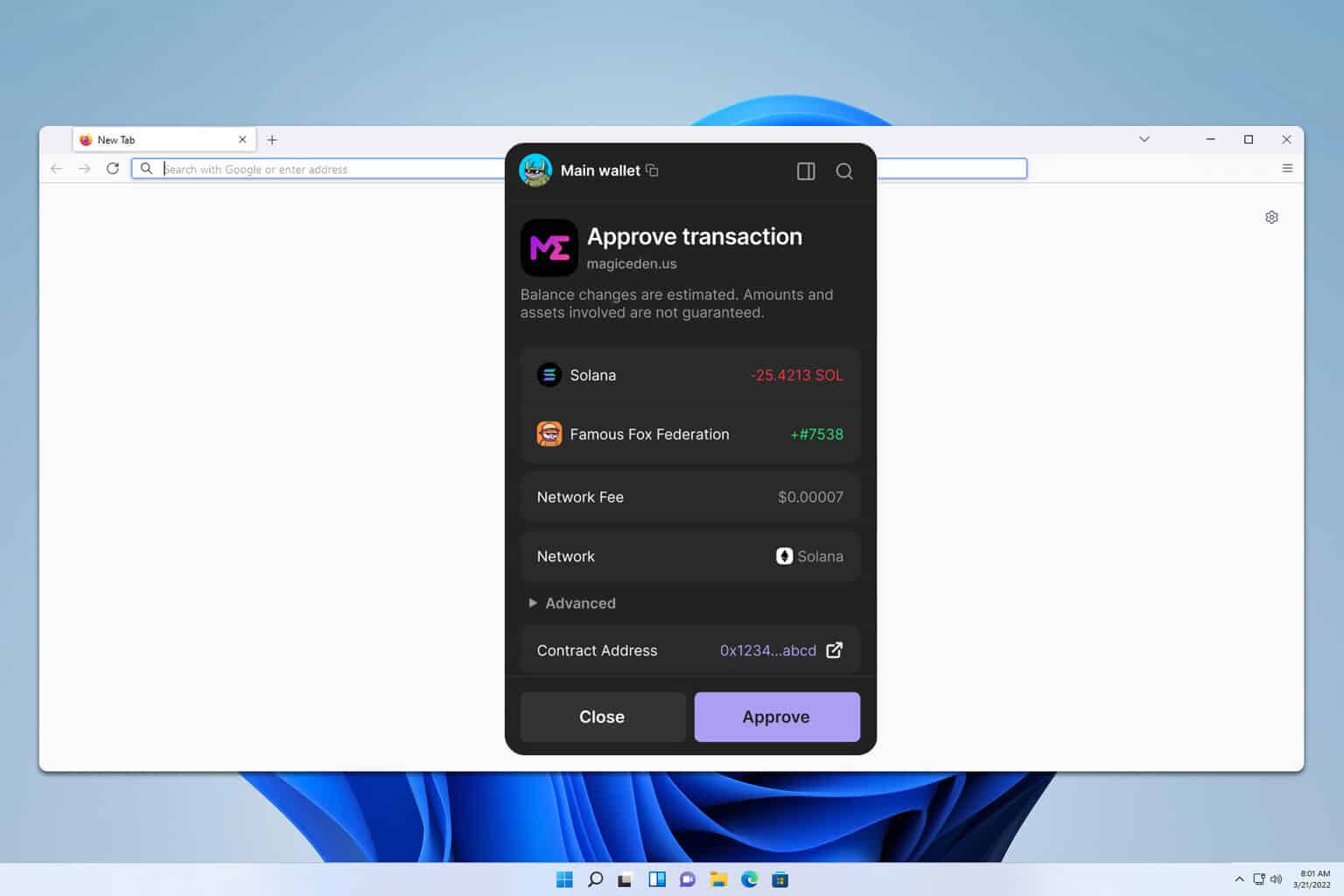
Once installed, the UX tends to be similar: account list, token balances, a simple send/receive flow, and a connect button for dApps. Phantom and similar wallets also let you add custom tokens and view NFTs inline. That convenience is great. It also makes lazy clicks dangerous — a dApp asking to sign several transactions in a row should prompt a pause, not a reflexive approve.
Here’s the thing about permissions — they’re not just annoying pop-ups. Granting “connect” is usually fine. But approving a transaction is essentially authorizing movement of funds. Pause. Verify. If a dApp requests you to sign something unusual (like changing spending authority or approving program-derived accounts), open dev tools or check the raw transaction details if you can. Not every user will do that, but a little curiosity saves heartache.
Using your wallet with DeFi and NFTs
Solana’s speed changes behavior. Small trades, micro-stakes, NFT bids — you can interact quickly, which is a joy. That freedom invites experimentation, and that’s where safeties matter. For new projects: start with dust amounts. Test transactions with tiny amounts. Watch for cloned websites and fake marketplaces. A common scam is a phishing site designed to look like an NFT marketplace; it asks you to connect and then tricks you into signing an approval that lets it move tokens later.
One tip I keep repeating: manage approvals. Some wallets are adding clearer controls for spend limits and revocation. Use them. If you see a recurring or unlimited approval that you didn’t explicitly expect, revoke it immediately. Hardware wallets help here because they require a physical confirmation per signature.
I’m biased toward pragmatic workflows. For casual collecting and small DeFi interactions, a well-known browser extension is perfect. For larger positions, pair the extension with a hardware wallet or keep funds in cold storage until you need them. The convenience trade-offs are real: speed vs. absolute security. Choose what’s right for the amount at risk.
FAQ
Is a Solana browser wallet safe?
It can be, if you follow basic security hygiene: install official extensions, back up your seed offline, be cautious with dApp approvals, and consider hardware wallets for larger balances. No system is bulletproof, but the biggest risks are user errors and phishing.
What if my extension won’t load or it asks for a seed unexpectedly?
Don’t enter your seed into any website or into the extension UI unless you’re restoring through the extension’s official flow. If the extension fails to load, check the browser’s extension page, reinstall from the official source, and ensure you have your backup seed before removing anything. If a site asks for your seed — that’s an immediate red flag.
Can I use the same wallet on multiple browsers or machines?
Yes. You can restore the same account by importing the seed phrase into the extension on another browser or device. That’s why seed security matters — it’s the master key. If you want multi-device security without exposing the seed, use a hardware wallet paired with the extension.